Loading Howl Media Labs
Preparing the page and animations...
Loading Howl Media Labs
Preparing the page and animations...
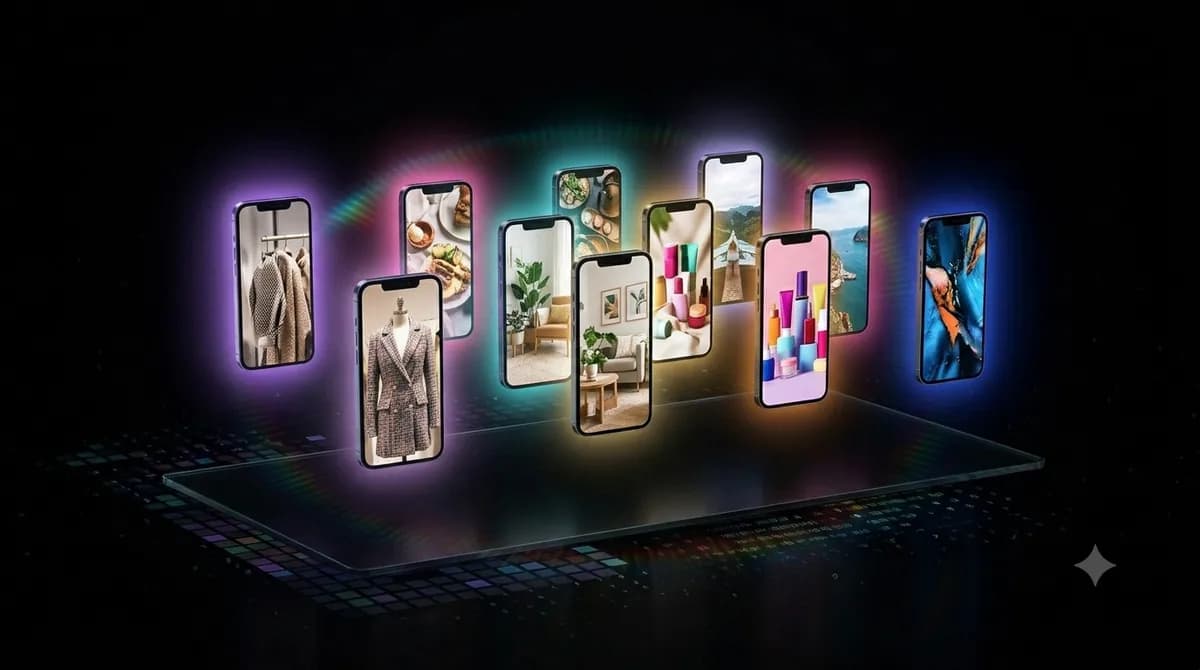
Short-form video can support discovery, product education, creative testing, and retargeting, but reach alone does not prove sales impact. Indian D2C teams should give each format a specific job, measure downstream behaviour, and compare it with a relevant control or prior creative baseline.
Yet most Indian D2C brands are either not posting consistently, posting content that was designed for static social media formats without adapting for video, or investing in overly produced content that underperforms compared to authentic alternatives.
This guide tells you what actually works in 2026 and how to build a sustainable short-form video strategy.
Short-form video works because it delivers high value in minimum time. In the three seconds a user decides whether to keep watching or scroll, your video must demonstrate something worth their attention — a useful transformation, an aesthetic moment, a problem being solved, a personality that resonates.
What changed in 2026 is the context in which this plays out. The volume of AI-generated content across every platform has surged. As a result, algorithms and audiences alike have become better at detecting and deprioritising generic, interchangeable content. The brands seeing the strongest organic reach in 2026 are the ones whose content feels authentic, specific, and human — even if imperfect.
This is not an argument against using AI tools to assist your content workflow. It is an argument for ensuring that every piece of content you publish has something genuinely distinctive about it — a real person, a specific result, an honest moment.
50,000+ members at <₹50 CPL
See how we built a 50,000+ member community at under ₹50 per memberRead it →
Instagram Reels is the strongest purchase-driving short-form platform for Indian D2C brands in most categories. Its Shopping integration, its integration with Meta Ads (allowing Reels to be boosted directly), and its audience's receptiveness to product discovery make it the primary sales platform. Reels performs best for fashion, beauty, home décor, lifestyle products, and jewellery.
YouTube Shorts builds broader brand reach and contributes to longer-term brand awareness. YouTube has an older, more intent-driven audience in many categories. Shorts that solve a specific problem ("how to clean this type of fabric") or demonstrate a product use case perform strongly and contribute to product search rankings within YouTube itself.
LinkedIn Video is underused by most Indian D2C brands and represents a meaningful opportunity. Short, insight-driven LinkedIn videos perform extremely well for brand building — particularly for founder-led brands where the personal story is part of the product narrative. LinkedIn video content is indexed by Bing and cited by Perplexity, which makes it a GEO signal as well as a social signal.
Based on performance data across our client work, these are the video formats with the strongest correlation to actual conversions:
The product demonstration. Shows the product in realistic use — not a studio shoot, but actual usage in a real context. A furniture brand showing how a sofa looks in a realistic living room. A skincare brand showing application and the immediate visual effect. Effective in 7-20 seconds.
The authentic customer testimonial. Shot on a phone, in the customer's real environment, responding to one specific question ("what made you choose this brand?"). The lower production quality signals authenticity. These are significantly harder to fake and audiences know it.
The problem-solution hook. Opens with a relatable problem ("If you've ever struggled to find furniture that fits a small Indian bedroom...") and immediately shows the product as the solution. The problem statement creates identification; the solution creates desire.
The behind-the-scenes quality signal. Shows manufacturing, quality control, packaging, or the founder story. This addresses the fundamental trust barrier Indian online shoppers have — concern about quality that cannot be verified before purchase.
Consistency is the most important variable in short-form video success. An algorithm-friendly presence requires a minimum of 4-5 Reels per week on Instagram. The brands that build compound growth from organic video are the ones that show up consistently for months, not the ones that burst out 20 videos in a week and disappear.
The practical solution for a D2C brand with limited resources is batching. Set aside one day per month for a video shoot — 4-6 hours of filming across multiple concepts. This generates 8-12 pieces of content that can be edited, captioned, and scheduled across the month. On this basis, short-form video becomes a manageable commitment rather than a daily creative burden.
Quality standard: your content needs to clear a bar of "this represents my brand well and provides genuine value to the viewer." It does not need to look like a Netflix production. For most categories, iPhone footage with good natural light outperforms expensive studio shoots in authentic-feeling short-form video.
Related reading: Social Media Management Services | Performance Marketing
Reviewed by Rajkumar Tahalani on 6 August 2026. Access dates are shown for time-sensitive references.
Social Media
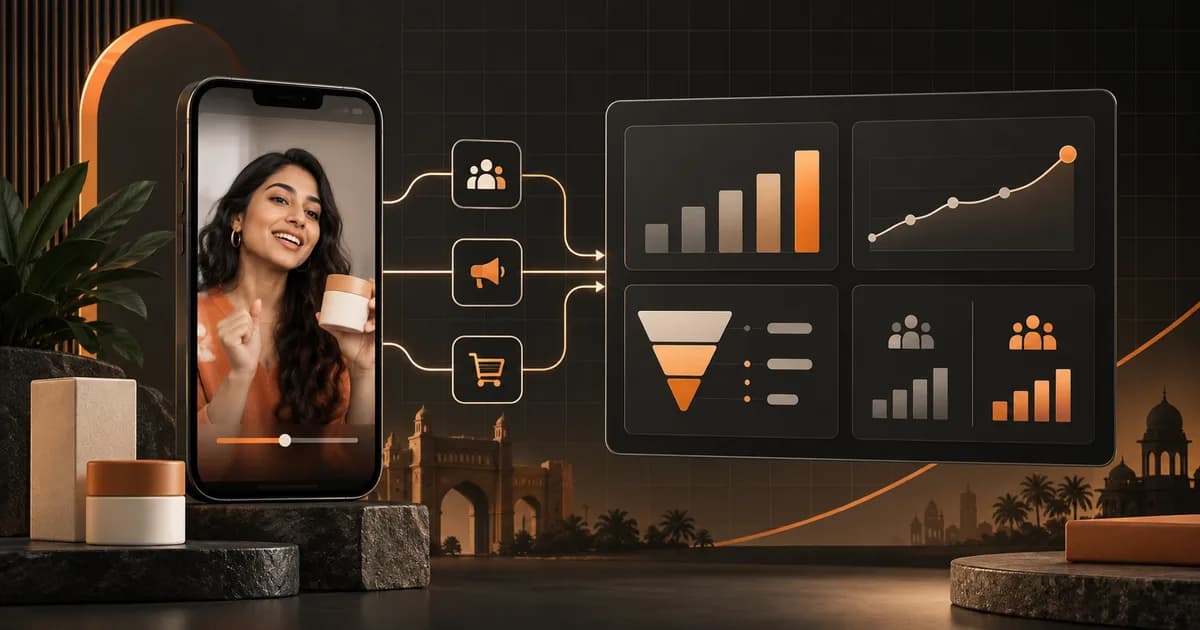
Creator Partnership Ads Measurement for Indian D2C Brands
Social Media
Why AI-Generated Social Content Is Hurting Your Brand (And What to Post Instead)
Free Tool
CPM & CPC Calculator
Work out CPM, CPC, and CTR from your campaign data.
Case Study
4.5x Total ROI
How a Premium Bespoke Tailoring Brand Achieved 4.5x ROI Across Digital Channels
We help Indian D2C brands grow with performance marketing, AI automation, and AEO-ready content. Book a free strategy call and we'll show you where the biggest wins are.
Or See how we built a 50,000+ member community at under ₹50 per member.